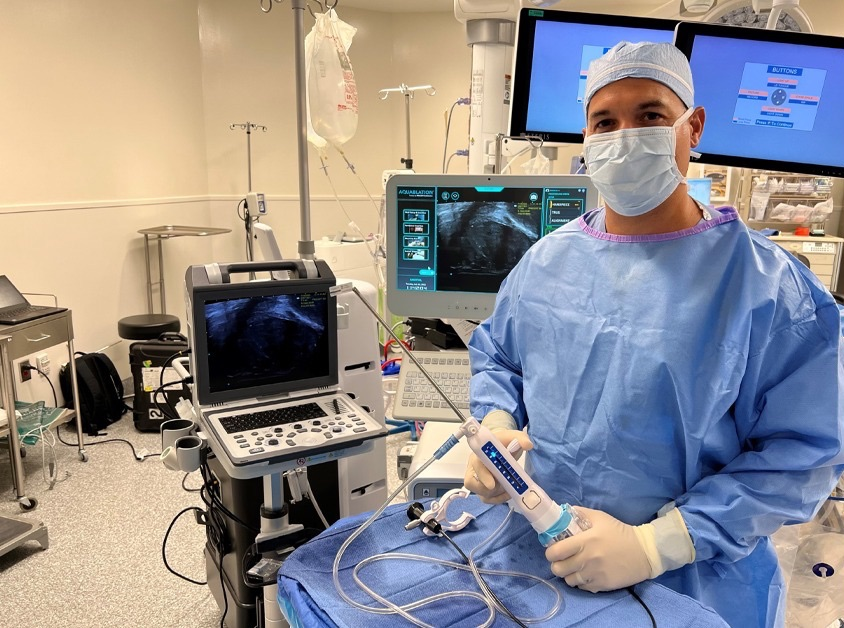
Prostate Enlargement Treatment Options: A Simple and Complete Guide
Prostate enlargement is a common condition that affects many men as they grow older. It is also known as benign prostatic hyperplasia (BPH). While the name may sound complicated, the condition itself simply means that the prostate gland has grown bigger than normal. This can lead to uncomfortable urinary symptoms and may affect daily life if not managed properly.In this article, we will explore prostate enlargement treatment options in a clear and easy way. Whether you are looking for basic understanding or practical solutions, this guide will help you make informed decisions.
What Is Prostate Enlargement?
The prostate is a small gland located below the bladder and in front of the rectum. It plays an important role in male reproductive health by producing fluid that nourishes sperm.
As men age, the prostate often grows larger. This growth can press against the urethra (the tube that carries urine out of the body), causing problems with urination.
Common Symptoms of Prostate Enlargement
Not everyone with an enlarged prostate experiences symptoms. However, when symptoms do appear, they may include:
- Frequent urge to urinate, especially at night
- Difficulty starting urination
- Weak urine stream
- Dribbling at the end of urination
- Feeling that the bladder is not fully empty
These symptoms can range from mild to severe and may gradually worsen over time.
Why Treatment Is Important
Ignoring prostate enlargement can lead to complications such as urinary tract infections, bladder damage, or kidney problems. That’s why understanding treatment options is essential.
The good news is that there are many effective treatments available, ranging from simple lifestyle changes to advanced medical procedures.
1. Lifestyle Changes (First Step Treatment)
For mild symptoms, doctors often recommend simple lifestyle adjustments before moving to medications or surgery.
Helpful Changes Include:
- Reducing caffeine and alcohol intake
- Avoiding drinking fluids before bedtime
- Practicing double voiding (urinating twice to empty the bladder fully)
- Maintaining a healthy weight
- Staying physically active
These small steps can make a big difference in managing symptoms naturally.
2. Medications for Prostate Enlargement
If lifestyle changes are not enough, medications are usually the next step.
a. Alpha-Blockers
These medicines relax the muscles around the prostate and bladder, making it easier to urinate.
Benefits:
- Quick relief of symptoms
- Improves urine flow
Common Side Effects:
- Dizziness
- Low blood pressure
b. 5-Alpha Reductase Inhibitors
These drugs work by shrinking the prostate over time.
Benefits:
- Reduces prostate size
- Prevents worsening of symptoms
Note: These medications may take several months to show results.
c. Combination Therapy
Sometimes doctors prescribe both types of medications together for better results. This approach is useful for men with larger prostates and more severe symptoms.
3. Minimally Invasive Treatments
If medications do not work well, minimally invasive procedures can be considered. These treatments are less risky than surgery and usually have shorter recovery times.
Common Options Include:
a. UroLift System
Small implants are used to lift and hold the enlarged prostate tissue away from the urethra.
b. Rezūm Water Vapor Therapy
Steam is used to destroy excess prostate tissue.
c. Transurethral Microwave Therapy (TUMT)
Microwaves are used to reduce prostate size.
Advantages:
- Quick procedures
- Less hospital time
- Faster recovery
4. Surgical Treatment Options
For severe cases, surgery may be the best option.
a. TURP (Transurethral Resection of the Prostate)
This is the most common surgery for prostate enlargement. A portion of the prostate is removed to relieve pressure on the urethra.
Benefits:
- Long-lasting results
- Significant symptom relief
b. Laser Surgery
Laser technology is used to remove or shrink prostate tissue.
Advantages:
- Less bleeding
- Shorter recovery time
c. Open or Robotic Surgery
Used for very large prostates, this involves removing part of the prostate through an incision.
5. Natural and Herbal Remedies
Some men prefer natural options to manage mild symptoms. While these may not replace medical treatment, they can offer support.
Common Natural Remedies:
- Saw palmetto
- Beta-sitosterol
- Pumpkin seed extract
Important: Always consult a doctor before using supplements, as results can vary and interactions may occur.
Choosing the Right Treatment
The best treatment depends on several factors:
- Age
- Severity of symptoms
- Overall health
- Personal preference
It’s important to discuss all options with a healthcare provider to find the most suitable plan.
Living with Prostate Enlargement
Managing prostate enlargement is not just about treatment—it’s also about improving quality of life.
Tips for Better Living:
- Schedule regular check-ups
- Follow prescribed treatments
- Stay informed about your condition
- Don’t ignore worsening symptoms
With proper care, most men can live comfortably and maintain a good quality of life.
Conclusion
Prostate enlargement is a common condition, but it is manageable. From lifestyle changes to medications and surgical procedures, there are many prostate enlargement treatment options available.
The key is early detection and choosing the right approach based on your needs. With the right care and guidance, you can reduce symptoms and continue to live a healthy, active life.
Frequently Asked Questions (FAQs)
1. Is prostate enlargement the same as prostate cancer?
No, prostate enlargement (BPH) is not cancer. It is a non-cancerous condition, but both can have similar symptoms, so proper diagnosis is important.
2. Can prostate enlargement go away on its own?
In most cases, it does not go away completely, but symptoms can be managed effectively with treatment.
3. What is the best treatment for prostate enlargement?
There is no single “best” treatment. It depends on the severity of symptoms and individual health conditions.
4. Are natural remedies effective for prostate enlargement?
Some natural remedies may help with mild symptoms, but they are not a substitute for medical treatment in moderate or severe cases.
5. When should I see a doctor?
You should see a doctor if you experience frequent urination, difficulty urinating, or any sudden changes in urinary habits.
By understanding your options and taking action early, you can successfully manage prostate enlargement and maintain a better quality of life.