Private Caregivers for Elderly Patients: A Complete Guide for Families
As people grow older, their needs often change. Simple daily tasks like cooking, bathing, or even walking can become difficult. This is where private caregivers for elderly patients play a very important role. They provide personalized care and support that helps seniors live safely and comfortably, often in their own homes.In this article, we will explore what private caregivers do, why they are important, how to choose the right one, and what families should expect. The goal is to give you a clear and easy understanding of this topic.
What Are Private Caregivers?
Private caregivers are trained individuals who provide care and assistance to elderly people. Unlike caregivers in hospitals or nursing homes, private caregivers usually work one-on-one with a patient. They can work in the patient’s home or sometimes in assisted living settings.
Their main focus is to improve the quality of life of elderly patients. They help with both physical and emotional needs, making sure seniors feel safe, respected, and cared for.
Why Elderly Patients Need Private Caregivers
Aging brings many challenges. Some seniors may have health conditions like arthritis, dementia, or heart problems. Others may simply feel weak or lonely. Family members often try their best to help, but due to work and other responsibilities, they may not always be available.
Private caregivers fill this gap. They provide:
- Daily assistance with routine activities
- Companionship to reduce loneliness
- Medical support for managing medications
- Safety supervision to prevent accidents
This kind of support allows elderly individuals to maintain their independence while still getting the help they need.
Services Provided by Private Caregivers
Private caregivers offer a wide range of services depending on the needs of the patient. Some of the most common services include:
1. Personal Care
This includes helping with bathing, dressing, grooming, and hygiene. These tasks are essential for maintaining dignity and health.
2. Household Help
Caregivers may assist with cooking meals, cleaning, laundry, and grocery shopping. This ensures a clean and healthy living environment.
3. Medication Management
Many elderly patients take multiple medicines. Caregivers help remind them to take medications on time and in the correct dosage.
4. Mobility Assistance
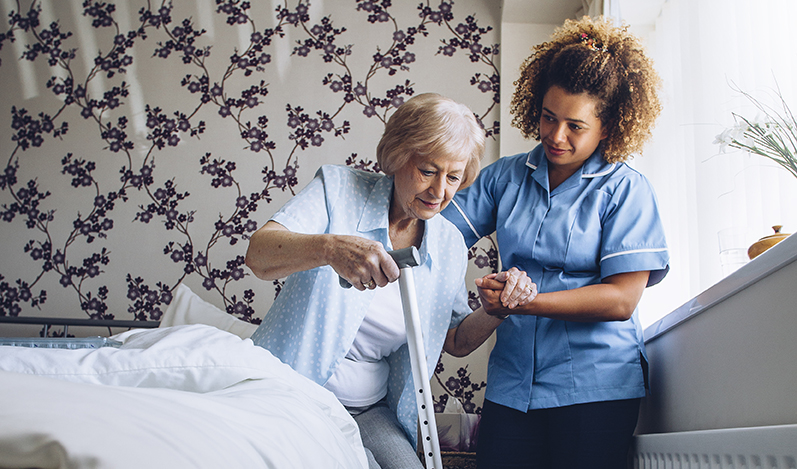
They help seniors move safely around the house, reducing the risk of falls and injuries.
5. Companionship
Loneliness is a major issue for many elderly people. Caregivers provide conversation, emotional support, and sometimes accompany patients on walks or outings.
6. Specialized Care
Some caregivers are trained to handle specific conditions such as Alzheimer’s or Parkinson’s disease.
Benefits of Hiring a Private Caregiver
Hiring a private caregiver has many advantages, both for the elderly patient and their family.
1. Personalized Care
Each patient has different needs. Private caregivers provide customized care plans that suit the individual.
2. Comfort of Home
Most elderly people prefer staying in their own homes. A private caregiver makes this possible.
3. Peace of Mind for Families
Family members feel less stressed knowing that their loved one is in safe hands.
4. Better Health Outcomes
With proper care, elderly patients often experience fewer hospital visits and better overall health.
5. Emotional Well-being
Regular interaction and support improve mental health and reduce feelings of isolation.
How to Choose the Right Private Caregiver
Choosing the right caregiver is very important. Here are some simple tips to help you make the best decision:
1. Check Experience and Training
Look for caregivers who have experience working with elderly patients, especially if your loved one has specific medical conditions.
2. Verify Background
Always check references and conduct background checks to ensure safety.
3. Communication Skills
A good caregiver should be kind, patient, and able to communicate clearly.
4. Compatibility
The caregiver and patient should get along well. A friendly relationship makes care more effective.
5. Flexibility
Choose someone who can adjust their schedule according to your needs.
Challenges of Private Caregiving
While private caregivers offer many benefits, there are also some challenges to consider:
- Cost: Hiring a private caregiver can be expensive, especially for full-time care.
- Trust Issues: It may take time to build trust with a new caregiver.
- Emotional Adjustment: Some elderly patients may feel uncomfortable accepting help at first.
However, with proper planning and communication, these challenges can be managed effectively.
The Role of Family Members
Even with a private caregiver, family involvement is still important. Families should:
- Stay in regular contact with the caregiver
- Monitor the patient’s condition
- Provide emotional support
- Make important decisions when needed
A strong partnership between the family and caregiver leads to better care.
Future of Private Caregiving
As the global population ages, the demand for private caregivers is increasing. Technology is also playing a role in improving care. For example, remote monitoring systems and health apps help caregivers track patient health more effectively.
In the future, we can expect more trained professionals, better services, and improved quality of care for elderly patients.
Conclusion
Private caregivers for elderly patients are an essential part of modern healthcare. They provide personalized, compassionate, and practical support that helps seniors live with dignity and comfort. Whether it is assisting with daily tasks or offering emotional companionship, their role is truly valuable.
For families, hiring a private caregiver can bring peace of mind and ensure that their loved ones receive the best possible care. By choosing the right caregiver and staying involved, families can create a safe and happy environment for elderly patients.
Frequently Asked Questions (FAQs)
1. What is the difference between a private caregiver and a nurse?
A private caregiver helps with daily activities and basic care, while a nurse provides medical treatment and clinical support.
2. How much does a private caregiver cost?
The cost varies depending on location, experience, and hours of service. Part-time care is usually more affordable than full-time care.
3. Can a private caregiver live with the patient?
Yes, some caregivers offer live-in services, providing round-the-clock care and support.
4. Do private caregivers need special training?
Many caregivers receive training in elderly care, first aid, and handling specific health conditions.
5. How do I know if my loved one needs a caregiver?
If they struggle with daily tasks, forget medications, feel lonely, or have safety concerns, it may be time to consider hiring a caregiver.