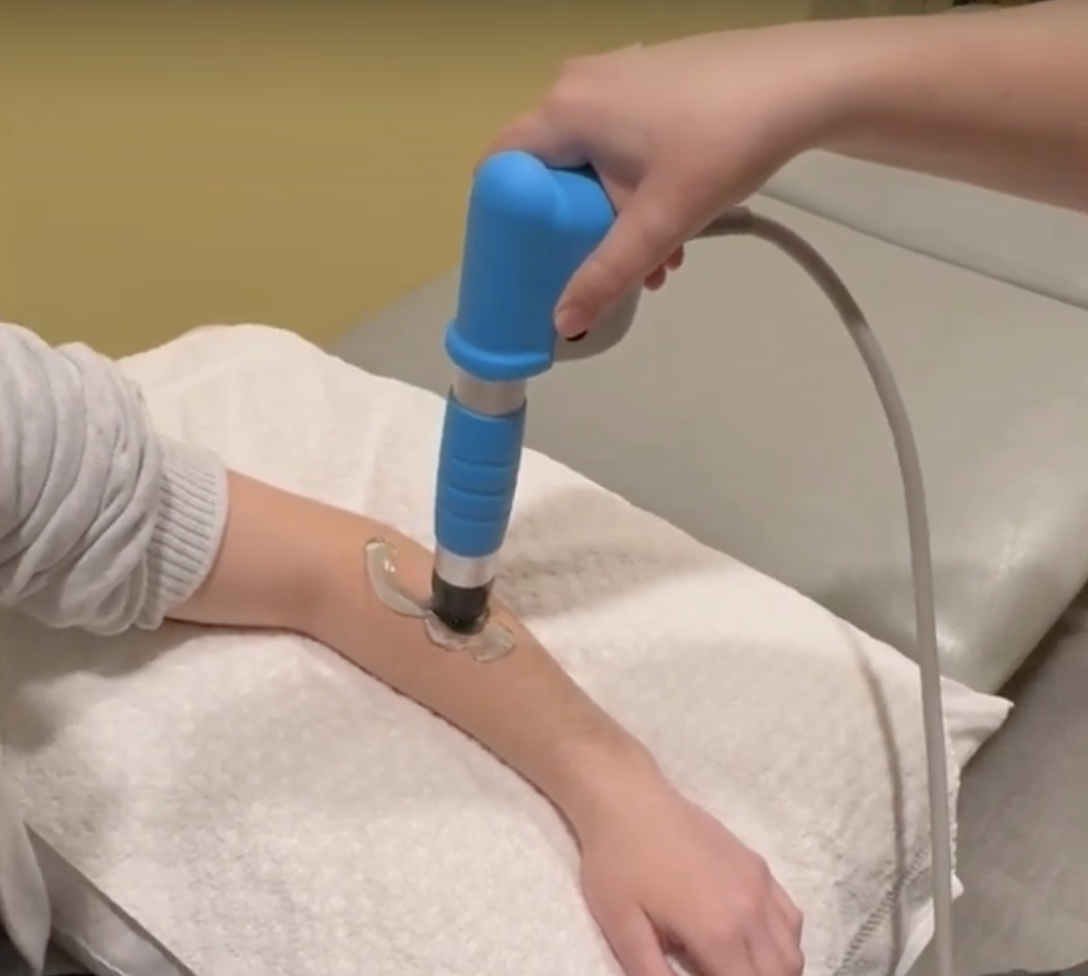
Exploring Shockwave Therapy and How It Works
Shockwave therapy is a treatment that uses sound waves to target areas of pain or slow healing, and it can be an alternative to surgery or major treatments. You may hear about it during a wellness consultation, and you leave with questions. Here is more information on how the treatment works and what happens during a session:
Nonsurgical Approach
Shockwave therapy needs no incisions, and it requires no anesthesia. When you choose this option, you avoid the downtime that surgery brings. The whole process takes place in an outpatient setting. Sessions are typically quick.
Since the treatment stays on the surface of your skin, recovery time tends to be short. People typically return to their day right after a visit, and many resume light activity soon after. The device rests against your skin during each session. Your provider guides it across the target area.
High-energy Acoustic Waves
The core of this treatment is sound energy. A handheld device sends acoustic pulses into your tissue, and these pulses travel to a set depth. When needed, your provider adjusts the intensity to match your comfort level. Settings vary from person to person.
During a typical session, the device delivers waves in short bursts. You feel a tapping sensation, and some areas feel more sensitive than others. Since the waves reach beneath the surface, they stimulate the tissue your provider targets. Sessions usually last a few minutes.
Here is what your provider may adjust during treatment:
- Wave intensity, measured in energy levels
- Number of pulses per session
- Areas of focus
Reduced Pain
Many people seek shockwave therapy for lingering discomfort. The waves affect nerve activity in the treated area, and this shift may lower the pain signals your body sends. Some people notice changes after a few sessions, while others take longer.
Since pain responses differ, your provider tracks your progress at each visit. They adjust the plan when needed, and they note how you respond over time. This personalized approach keeps the treatment matched to your needs. Your feedback guides it.
Shockwave therapy also stimulates blood flow in the target area, which may promote healing and tissue regeneration. The procedure is non-invasive, making it an appealing option for those seeking alternatives to surgery. While some patients experience immediate relief, others may notice gradual improvements as their body responds to the treatment over time.
Biologic Effects
Once the acoustic waves reach your tissue, they set off a response inside your body. The waves prompt increased blood flow, and this movement supports the body’s natural repair process. Cells in the treated area react to the stimulation.
Healing signals begin. Since the process works with your body, results build gradually over several visits. Your provider may space sessions a week or two apart, and they track changes along the way. This staged approach gives your tissue time to respond.
The treatment may prompt these responses in treated tissue:
- Improved circulation to the area
- Stimulation of repair-related cells
- Formation of new blood vessels over time
Schedule Shockwave Therapy Sessions
Shockwave therapy offers a nonsurgical path for people managing certain kinds of discomfort. A consultation is the first step, and it gives medical providers a chance to review your goals. During that visit, they explain what the process involves. Contact our clinic to book a consultation where staff will answer your questions and outline your options; reach out today and take the first step.