Diabetes and Blood Pressure Specialist Clinic: A Complete Easy Guide
A diabetes and blood pressure specialist clinic is a medical center that focuses on two of the most common long-term health problems in the world: diabetes and high blood pressure. These two conditions often come together and can seriously affect a person’s heart, kidneys, eyes, and overall health if not managed properly.
In this article, we will explain what this type of clinic does, why it is important, how treatment works, and what patients can expect when they visit. Everything is written in simple and easy English so that anyone can understand.
What is a Diabetes and Blood Pressure Specialist Clinic?
A diabetes and blood pressure specialist clinic is a healthcare facility where doctors and trained medical staff help people control:
- Diabetes (high blood sugar levels)
- Hypertension (high blood pressure)
These clinics usually have specialists such as:
- Endocrinologists (diabetes experts)
- Cardiologists (heart and blood pressure experts)
- Dietitians (nutrition experts)
- General physicians trained in chronic disease care
The main goal of the clinic is not only to treat the diseases but also to prevent complications and improve quality of life.
Why Do We Need This Type of Clinic?
Diabetes and high blood pressure are often called “silent diseases.” This means they may not show clear symptoms in the beginning, but they slowly damage the body.
When both conditions exist together, the risk becomes even higher. A specialist clinic is important because it offers:
1. Early Detection
Many people do not know they have diabetes or high blood pressure until they get very sick. These clinics help detect the problem early through regular tests.
2. Proper Treatment Plan
Every patient is different. A specialist clinic creates a personal treatment plan based on age, weight, lifestyle, and medical history.
3. Prevention of Complications
If not controlled, these conditions can lead to:
- Heart attack
- Stroke
- Kidney failure
- Eye damage
- Nerve problems
The clinic helps prevent these serious problems.
How Diabetes Affects the Body
Diabetes happens when the body cannot control blood sugar properly. This is either due to lack of insulin or the body not using insulin properly.
There are two main types:
- Type 1 Diabetes (body does not produce insulin)
- Type 2 Diabetes (body cannot use insulin properly)
If not managed, diabetes can slowly damage blood vessels and organs.
How High Blood Pressure Affects the Body
High blood pressure means the force of blood against artery walls is too strong. Over time, this pressure damages the blood vessels and heart.
It can lead to:
- Heart disease
- Stroke
- Kidney damage
- Vision loss
Many people do not feel symptoms, so regular checkups are very important.
The Link Between Diabetes and Blood Pressure
These two conditions are closely connected. People with diabetes are more likely to have high blood pressure. Similarly, high blood pressure can make diabetes complications worse.
Together, they increase the risk of:
- Heart attacks
- Kidney failure
- Poor circulation
- Stroke
That is why treating both conditions together in one clinic is very helpful.
What Happens During a Visit to the Clinic?
When you visit a diabetes and blood pressure specialist clinic, the process is usually simple and organized.
1. Medical Check-up
The doctor checks your:
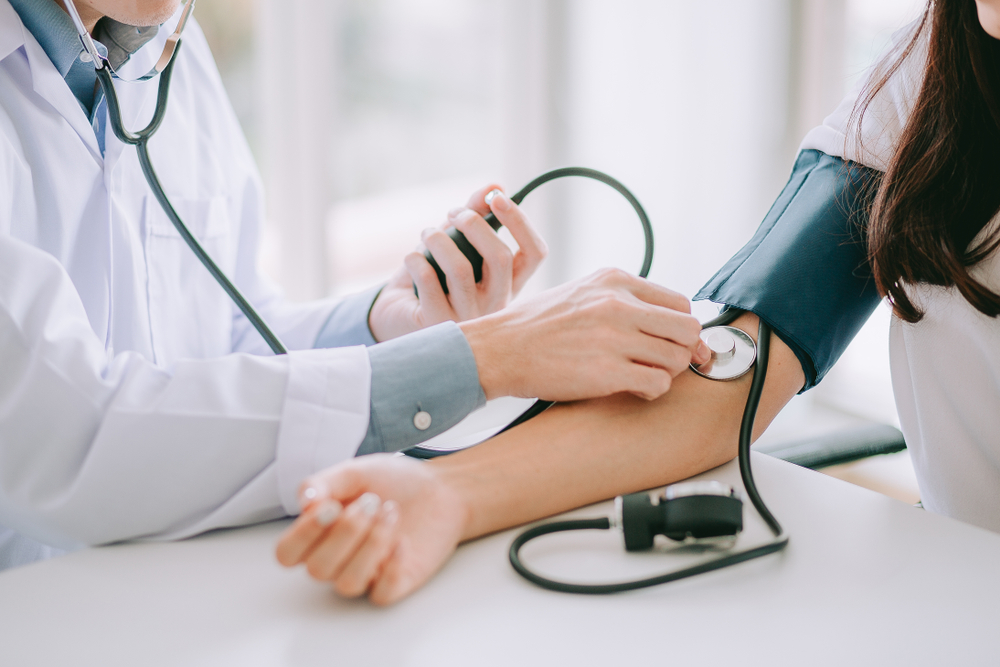
- Blood pressure
- Blood sugar levels
- Weight
- Medical history
2. Lab Tests
You may be asked to do tests like:
- Fasting blood sugar test
- HbA1c test (shows average sugar level)
- Cholesterol test
- Kidney function test
3. Diagnosis and Plan
After checking your reports, the doctor creates a treatment plan that may include:
- Medicines
- Diet changes
- Exercise routine
- Lifestyle advice
Treatment Approach in the Clinic
A good specialist clinic does not rely on medicine alone. It uses a complete approach:
1. Medication
Patients may receive:
- Insulin or diabetes tablets
- Blood pressure medicines
2. Diet Control
Diet plays a very important role. Patients are guided to:
- Reduce sugar intake
- Eat more vegetables and fruits
- Avoid processed food
- Limit salt intake
3. Exercise Plan
Regular physical activity helps control both conditions. Even simple activities like walking for 30 minutes a day can make a big difference.
4. Lifestyle Changes
Doctors also recommend:
- Quitting smoking
- Reducing stress
- Sleeping properly
Role of Dietitians in the Clinic
Dietitians help patients understand what to eat and what to avoid. They create meal plans that are healthy but still enjoyable.
For example:
- Instead of sugary drinks, they suggest water or fresh juices without sugar
- Instead of fried food, they recommend grilled or boiled meals
- Instead of white bread, they suggest whole grains
Why Regular Monitoring is Important
Both diabetes and blood pressure require long-term monitoring. This means patients need regular visits to the clinic.
Monitoring helps:
- Track progress
- Adjust medication
- Prevent complications early
- Keep patients motivated
Benefits of Visiting a Specialist Clinic
There are many advantages of going to a dedicated clinic:
- One place for both conditions
- Expert doctors for complex cases
- Better coordination of care
- Advanced testing facilities
- Personalized treatment plans
This makes management easier and more effective.
Living a Healthy Life with These Conditions
Even if someone has diabetes and high blood pressure, they can still live a healthy and active life. The key is discipline and regular care.
Simple habits like:
- Eating balanced meals
- Staying active
- Taking medicine on time
- Checking blood sugar regularly
can make a big difference.
When Should You Visit a Clinic?
You should visit a diabetes and blood pressure specialist clinic if you have:
- Frequent thirst or urination
- Sudden weight loss or gain
- Constant tiredness
- Blurred vision
- High blood pressure readings
- Family history of diabetes or hypertension
Even if you feel fine, regular checkups are still important after age 30–40.
Conclusion
A diabetes and blood pressure specialist clinic plays a very important role in modern healthcare. It helps people manage two serious conditions that often occur together. With early diagnosis, proper treatment, lifestyle changes, and regular monitoring, patients can prevent complications and live healthier lives.
The key message is simple: do not ignore small symptoms, and always take care of your health before problems become serious. Regular visits to a specialist clinic can truly make a big difference in long-term wellness.
FAQs
1. What is a diabetes and blood pressure specialist clinic?
It is a clinic where doctors treat and manage both diabetes and high blood pressure in one place using medical tests, medicines, and lifestyle advice.
2. Can diabetes and high blood pressure be cured completely?
No, they usually cannot be fully cured, but they can be controlled very well with proper treatment and healthy lifestyle habits.
3. How often should I visit the clinic?
Most patients should visit every 1 to 3 months, depending on their condition and doctor’s advice.
4. What foods should I avoid if I have diabetes and high blood pressure?
You should avoid sugary foods, salty snacks, fried items, processed foods, and soft drinks.
5. Is exercise safe for people with these conditions?
Yes, regular exercise like walking, cycling, or light workouts is very safe and actually helps control both diabetes and blood pressure.