Understanding the Field of Transcranial Magnetic Stimulation
The transcranial magnetic stimulation procedure is noninvasive and uses magnetic fields to stimulate nerve cells in the brain. Doctors may prescribe this option when standard treatments have not produced the expected results, and it has become a recognized part of modern psychiatric care. A person might explore transcranial magnetic stimulation because they live with conditions such as depression or post-traumatic stress disorder that have not responded sufficiently to other approaches. Here is more information about TMS therapy and what it can do:
Understanding Depression and PTSD
Depression is a mood disorder marked by persistent sadness, loss of interest in activities, and changes in sleep or appetite; it can be treated through various methods, such as medication, therapy, and transcranial magnetic stimulation. The causes are varied, and they can include genetic factors and stressful life events. People with depression experience symptoms that last for weeks or longer. Here are some common symptoms of depression:
- Persistent feelings of sadness or hopelessness
- Loss of interest or pleasure in previously enjoyed activities
- Significant changes in appetite or weight
- Difficulty sleeping or sleeping too much
- Fatigue or loss of energy nearly every day
- Recurrent thoughts of death or suicidal ideation
Post-traumatic stress disorder develops after a person experiences or witnesses a traumatic event. Common symptoms include flashbacks, nightmares, avoidance of reminders, and heightened alertness. Trauma such as combat or assault can trigger the condition because the brain does not effectively and healthily process the experience.
Explaining Transcranial Magnetic Stimulation Therapy
TMS therapy targets specific areas of the brain linked to mood regulation. The procedure aims to influence activity in the prefrontal cortex, a region that often shows altered function in people with depression or PTSD. Clinicians use it as one part of a broader treatment plan, and it is typically pursued after or alongside other methods. Research on TMS therapy examines how repeated stimulation may affect brain networks over time. The goal is to stimulate communication between certain areas of the brain because these networks influence emotional processing.
Exploring Therapeutic Benefits
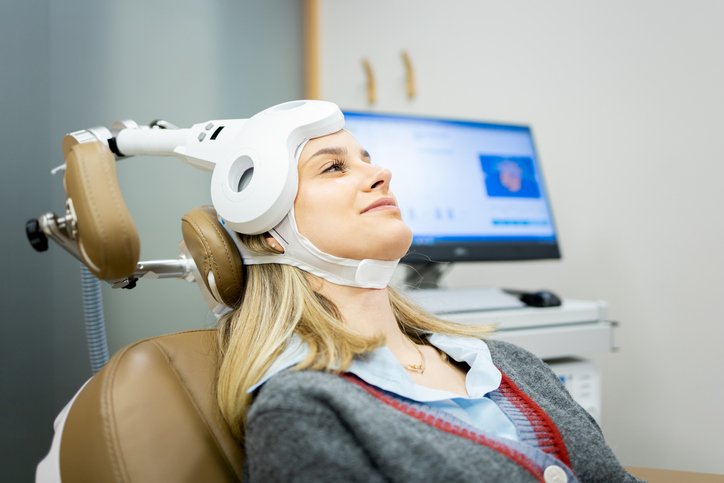
TMS therapy works by delivering magnetic pulses through a coil placed against the scalp. These pulses create small electrical currents that stimulate nerve cells in a targeted region. The process does not require anesthesia, and patients remain awake throughout the session.
A typical session begins with the patient seated in a chair. A technician positions the coil over a specific area of the head, and the device then delivers a series of pulses. The patient experiences a tapping sensation on the scalp while they undergo the therapy. Sessions usually last between 20 and 40 minutes. A full course often spans several weeks, with appointments scheduled multiple times per week. Patients can generally return to their daily activities right after each visit because the procedure is noninvasive.
Schedule Your Consultation Today
Transcranial magnetic stimulation is a noninvasive procedure, and it uses magnetic fields to stimulate targeted regions of the brain. TMS may be an option for those experiencing treatment-resistant depression, which refers to depression that does not improve after two or more standard treatments. To learn more about TMS therapy, consult a psychiatry clinic near you.